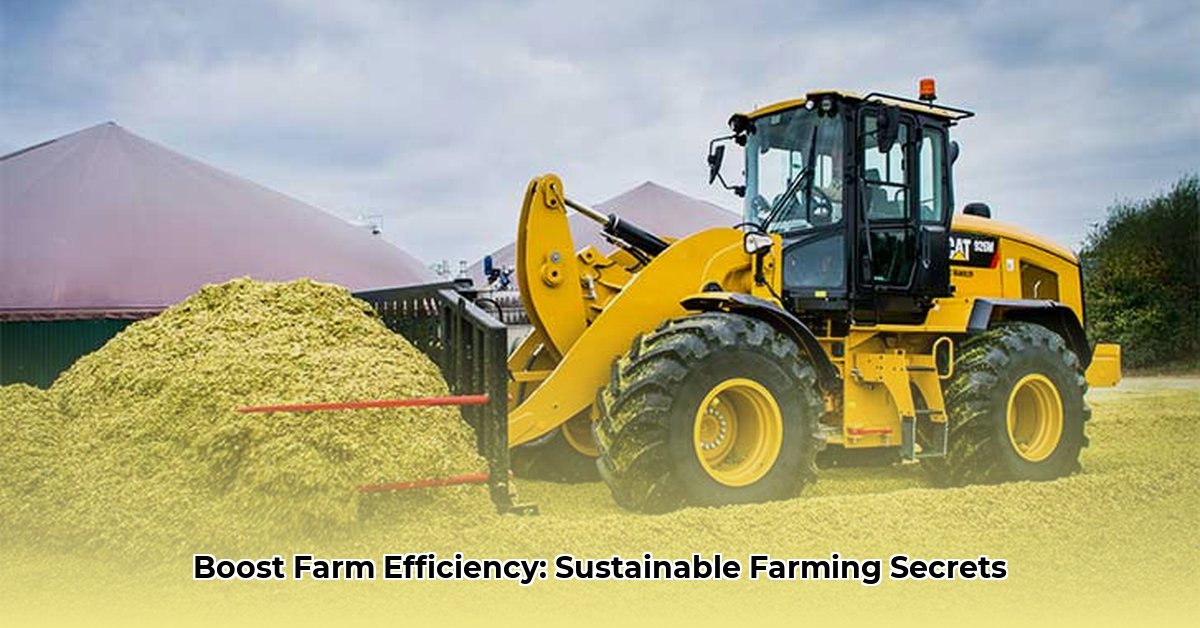
Cat Agricultural Tractors: Farming Smarter, Not Harder
Caterpillar (Cat) agricultural tractors offer a powerful combination of performance and sustainability, helping farmers boost efficiency and reduce their environmental impact. This guide explores how Cat tractors can benefit your farm, from choosing the right model to implementing sustainable farming practices. For more information on tractor attachments, check out this helpful resource: Attachment Options.
Power and Precision: The Cat Advantage
Farming demands long hours and intense work. Cat tractors, renowned for power and precision, help farmers accomplish more in less time, reducing operating costs and minimizing environmental impact. They're designed to be reliable partners in the field, maximizing yields and easing the burden of demanding agricultural tasks.
Boosting Efficiency: Fuel Savings and More
Cat tractors are engineered for fuel efficiency, using less fuel per acre compared to some competitors. This translates to lower operating costs and a reduced carbon footprint. Advanced engine technology and optimized transmissions are key contributors. While actual savings vary depending on factors like soil conditions and operator skill, independent testing and user reviews consistently highlight significant fuel savings.
Here's how key features drive efficiency improvements:
| Feature | Benefit | Impact on Sustainability |
|---|---|---|
| Advanced Engine Technology | Significantly lower fuel consumption, reduced emissions. | Fewer greenhouse gas emissions, smaller environmental footprint. |
| Optimized Powertrain System | Smooth operation, reduced wear and tear on the tractor and implements. | Longer equipment life, less frequent replacements. |
| Precision Hydraulic Systems | Precise control of implements, reducing waste of inputs like fertilizer and seeds. | Optimized resource utilization, less environmental impact. |
“Cat tractors' fuel efficiency is a game changer for our farm. We’ve seen a noticeable drop in our operating costs, which is crucial for our bottom line,” says Sarah Miller, Owner, Miller Family Farms.
Smart Farming: Technology Integrated for Sustainable Practices
Modern farming demands precision. Cat tractors integrate technologies enabling precision agriculture. GPS guidance systems, auto-steering, and variable-rate technology allow for precise application of inputs like fertilizer and pesticides, minimizing waste and protecting the environment. This targeted approach reduces runoff, soil erosion, and enhances ecosystem health.
"The precision technology on our Cat tractor has allowed us to reduce fertilizer use by 15%, significantly lowering our costs and minimizing environmental impact," notes David Chen, Agricultural Consultant, AgTech Solutions.
Is this the right time for a technology upgrade? This depends on farm size, crops, and budget. However, the benefits of precision farming are significant.
The Long-Term Perspective: Cost and Value Over Time
While Cat tractors have a higher initial cost than some competitors, their long-term value often justifies the investment. Lower fuel costs, extended lifespan (due to reduced wear and tear), and higher resale value contribute to a lower overall cost of ownership.
To properly evaluate cost-effectiveness, conduct a thorough Total Cost of Ownership (TCO) analysis, considering purchase price, fuel consumption, maintenance, and resale value. This comprehensive approach ensures a sound financial decision.
Beyond the Machine: Caterpillar's Commitment to Sustainability
Caterpillar's commitment to sustainability extends beyond the machines themselves. They offer support programs, including flexible financing and service plans, to make sustainable technology accessible to farmers. While ongoing efforts for increased transparency in manufacturing and end-of-life disposal are needed, Caterpillar's focus on efficient, long-lasting machines demonstrates a growing commitment to sustainability.
Making the Right Choice for Your Farm
Follow these steps to choose the right Cat tractor:
- Assess Your Needs: Identify areas where efficiency improvements would yield the greatest impact.
- Research Cat Models: Explore models, focusing on features that match your farming needs (engine size, horsepower, technology).
- Compare and Contrast: Analyze the total cost of ownership (TCO) for Cat tractors and competitors. Don't solely focus on the initial price.
- Explore Financing: Investigate financing options from Caterpillar or other lenders.
- Seek Expert Advice: Consult your local Cat dealer for insights and guidance.
Investing in a Cat tractor is a significant decision. Careful consideration of these points will ensure a sound investment that improves farm efficiency and environmental responsibility. Sustainable farming isn't just a trend; it's the future of agriculture.
How to Reduce Greenhouse Gas Emissions from Caterpillar Agricultural Equipment
Key Takeaways:
- Caterpillar is actively reducing its Scope 1 and 2 greenhouse gas emissions.
- Scope 3 emissions (from product use) require collaborative solutions.
- Farmers can actively reduce the environmental impact of their Cat equipment.
- Technological advancements in Cat tractors offer emission reduction opportunities.
- Sustainable farming practices enhance overall efficiency and reduce emissions.
Reducing greenhouse gas emissions from agricultural equipment is crucial. Caterpillar acknowledges this challenge and is actively working towards solutions. Let's explore key strategies.
Optimizing Equipment Operation
Efficient operation significantly impacts fuel consumption and emissions. Precision farming techniques (GPS-guided systems), regular maintenance, and proper tire inflation are critical for minimizing fuel waste and maximizing efficiency.
Embracing Technological Advancements
Caterpillar's R&D efforts focus on developing more sustainable equipment. Fuel-efficient engines, alternative fuels (biodiesel or renewable diesel), and the exploration of electrification are key advancements.
Sustainable Farming Practices
Sustainable farming practices complement equipment efficiency. Crop rotation, no-till farming, and precision fertilizer application all contribute to reduced fuel consumption and lower emissions.
Choosing the Right Equipment
Selecting the appropriate Cat tractor is vital for optimizing efficiency. Matching tractor size to needs and considering used or remanufactured equipment both reduce environmental impact.
By integrating these strategies, farmers can significantly contribute to reducing the environmental impact of their operations. Sustainable farming is not merely a trend – it's a necessity for the future of agriculture.